HumanOnAChip

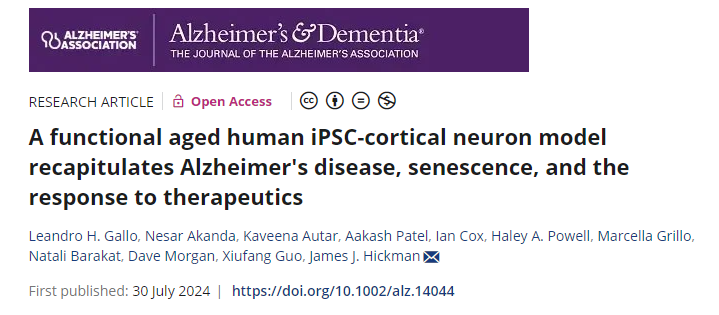
Headline of an article that reads "A functional aged human iPSC-cortical neuron model recapitulates Alzheimer's disease, senescence, and the response to therapeutics," in purple text.

ORLANDO, FLORIDA – Researchers from Hesperos and the University of Central Florida have developed a groundbreaking model using human induced pluripotent stem cell (iPSC)-derived cortical neurons to better understand and combat Alzheimer’s disease (AD). Their research, published in Alzheimer’s and Dementia, aims to improve our understanding and treatment of the disease.

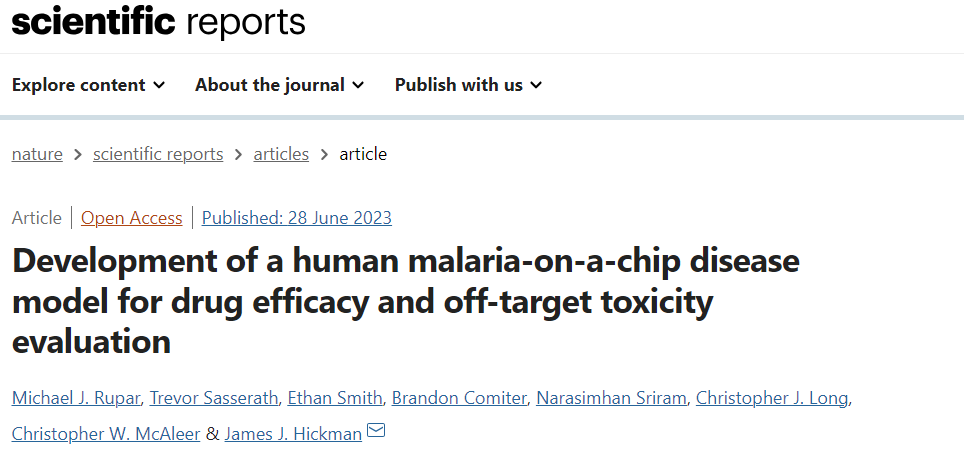
Development of a Malaria-on-a-Chip Model doi.org/10.1038/s41598-023-35694-4 Model developed to study Malaria and potential therapeutics Press Release Link to Publication Hesperos scientists have published a groundbreaking study in Scientific Reports, a Nature journal. The publication, titled “Development … Read More

human-on-a-chip

Presentation Highlights

This is a company overview presentation given by Dr. James Hickman at this years Florida Simulation Summit 2020 in October.  Learn more about the technology and exciting path ahead. Key highlights from the presentation include:

  • A brief history of Hesperos
  • How the Human-on-a-Chip technology works and the current state of the technology
  • Key applications and path forward


Human-on-a-Chip®

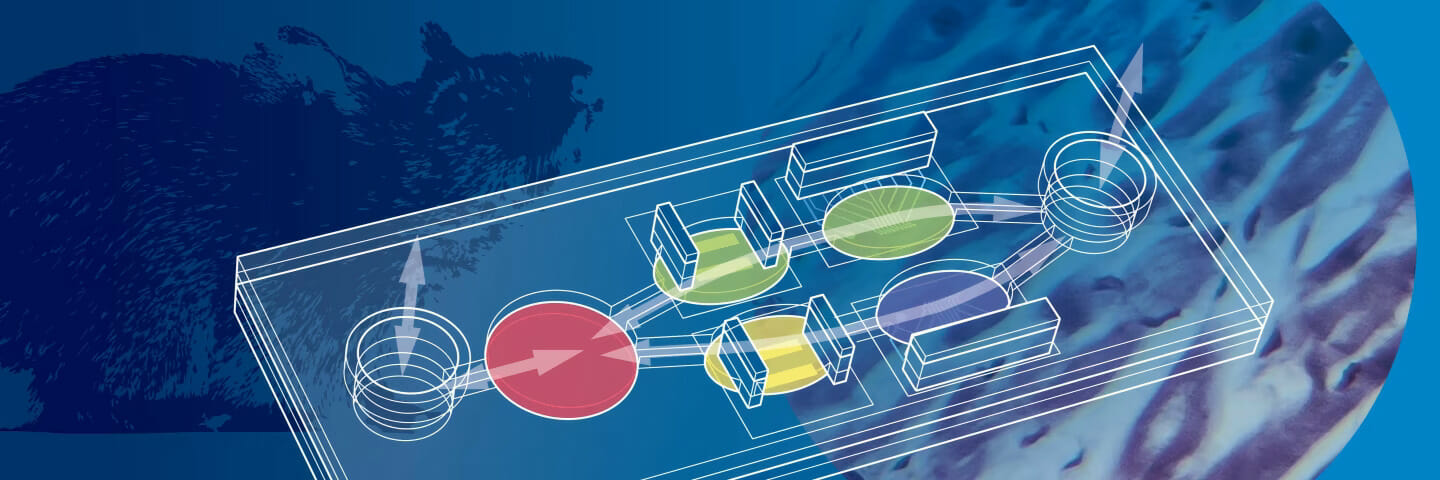
Functional in vitro models that accurately predict how new drug candidates will impact the human body – something that has previously required animal testing or human clinical trials to determine.

What’s on each Chip?

Systemic toxicology models with interlinked organs, including: heart, liver, lung, brain, skin, muscle, GI tract, kidney, pancreas, endocrine, bone marrow and the neuromuscular junction in a serum free, recirculating medium utilizing a pumpless platform.