

Hesperos

Hesperos Appoints L. Florin as CEO “I am excited to join Hesperos during this period of explosive growth […and] lead this exceptional team as we continue delivering breakthrough solutions that advance drug discovery and benefit patients … Read More

Headline of an article that reads "A functional aged human iPSC-cortical neuron model recapitulates Alzheimer's disease, senescence, and the response to therapeutics," in purple text.

ORLANDO, FLORIDA – Researchers from Hesperos and the University of Central Florida have developed a groundbreaking model using human induced pluripotent stem cell (iPSC)-derived cortical neurons to better understand and combat Alzheimer’s disease (AD). Their research, published in Alzheimer’s and Dementia, aims to improve our understanding and treatment of the disease.

Watch the Presentation

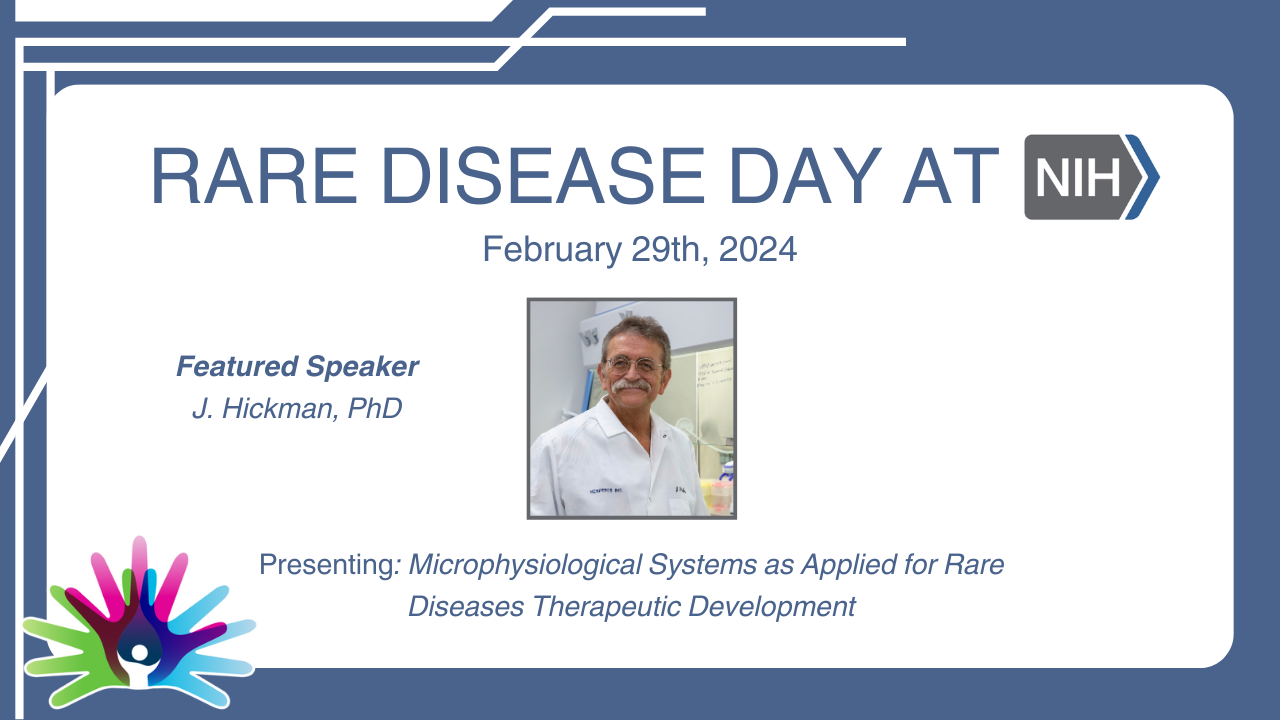
Microphysiological Systems as Applied for Rare Diseases Therapeutic Development

Play Video

Hesperos Chief Scientist Dr. J Hickman was a featured speaker at NIH Rare Disease Day, covering how Human-on-a-chip systems are supporting rare diease therapuetics.  His talk, titled "Rare Story #3: Microphysiological Systems as Applied for Rare Diseases Therapeutic Development," presented Hesperos's commerically available models and how they have been used to test the efficacy of new pharmaceuticals.

NIH Rare Disease Day brought speakers from Congress, the FDA, Industry, Academia, and patient advocates together to discuss ways to accelerate development of new therapeutics for this underserved population.  View Dr. Hickman's talk below or
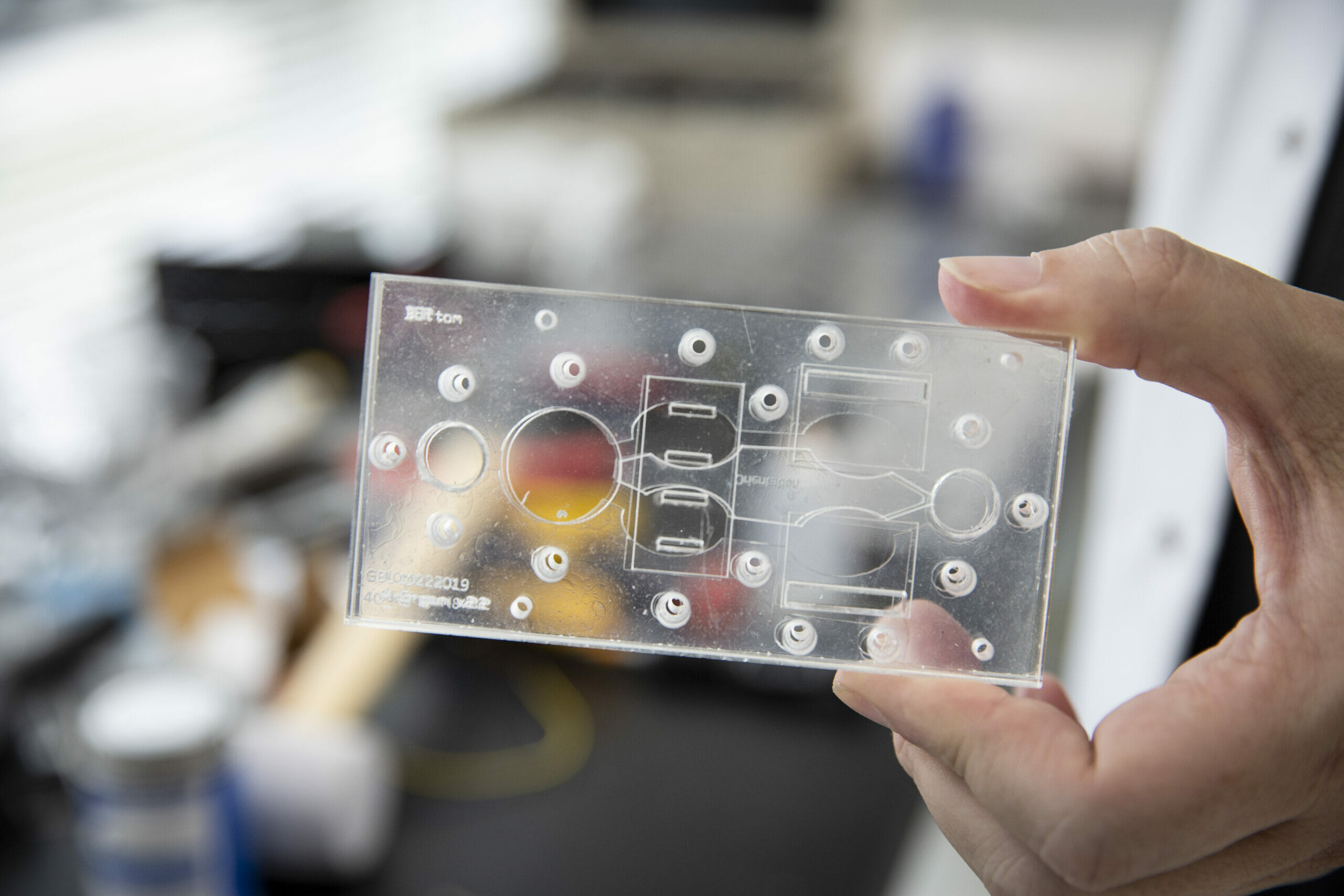
Development of a Malaria-on-a-Chip Model doi.org/10.1038/s41598-023-35694-4 Model developed to study Malaria and potential therapeutics Press Release Link to Publication Hesperos scientists have published a groundbreaking study in Scientific Reports, a Nature journal. The publication, titled “Development … Read More

Read the Open Letter here We are proud to support this open letter to congress encouraging representatives to pass the FDA Modernization Act.  Originally passed in 1938, the Federal Food, Drug, and Cosmetics Act (FFDCA) was … Read More