Nature Lab Animal Article and New Sarcopenia-on-a-Chip Publications
Hesperos’ Human-on-a-Chip® (HoaC) technology was recognized in the 25 September 2025 issue of Nature Portfolio's Lab Animal & the Hesperos team published a new study in the 22 September 2025 issue of In Vitro Models on our novel sarcopenia model.
Article and Publication Summary

"Researchers are increasingly using organ-on-chips and organoids alongside or instead of animals to model drug safety, biological mechanisms and rare diseases."

Lab Animal Feature Summary
A recent feature in Lab Animal highlights the rapid advancement of new approach methodologies (NAMs), including other organ-on-a-chip and related technologies, that are reshaping preclinical development. The article examines the growing scientific and regulatory progress supporting these systems, the evidence that NAMs can better predict patient outcomes, and how emerging mechanistic insights are driving new understanding of human disease.
Regulatory Progress
Global regulators are accelerating the adoption of NAMs given the expectation that they can deliver better, more predictive information, faster and at lower cost than conventional animal testing. The FDA and NIH are leading efforts in the United States through initiatives like the new Office of Research Innovation, Validation, and Application (ORIVA).
In Europe, the European Commission and European Medicines Agency also are advancing plans to integrate organ-on-a-chip technologies into toxicity and efficacy testing.
Mechanistic Insights
Organ-on-a-chip technologies can reveal complex biological interactions to support precision (and even personalized) medicine approaches. The article highlights Hesperos’ Human-on-a-Chip platform to exemplify its clinical utility. For example, by using cells from a patient with Charcot–Marie–Tooth disease type 2S, Hesperos developed a neuromuscular junction model that predicted response to a personalized therapy now in clinical development. (Learn more here).
“It’s the first definitive example of using this technology for true personalized medicine.”
James J. Hickman, PhD
Chief Scientist
Read the Feature Here
Jangir H, et. al. In Vitro Models (2025)
https://doi.org/10.1007/s44164-025-00092-9
Study Summary
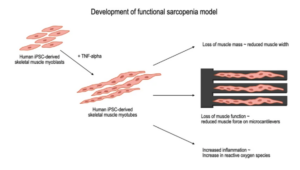
In collaboration with our academic partners at the University of Central Florida (UCF), Hesperos researchers have developed a functional, human-based, in vitro, model of sarcopenia using a microcantilever-based microphysiological system. The study, published in In Vitro Models, replicates the loss of muscle mass and function that defines sarcopenia, an age- and inflammation-related condition that affects mobility, strength, and overall health.
This work builds upon Hesperos’ Human-on-a-Chip® expertise creating complex organ systems that can evaluate inflammation-driven muscle decline under controlled, human-relevant conditions.
Methods
The research team used human iPSC-derived skeletal muscle cells exposed to TNF-α for 96 hours to simulate chronic inflammation. Cultures were maintained for 32 days to assess long-term effects on muscle morphology and contractile function using electrical stimulation and microcantilever-based force measurements.
Results
The sarcopenia model demonstrated sustained and quantifiable physiological changes consistent with disease progression, including:
Reduced myotube width, representing long-term muscle atrophy.
Decreased contractile amplitude and increased fatigue index, indicating loss of strength and endurance.
Reduced force output measured via the microcantilever system, confirming functional impairment over time.
- Elevated reactive oxygen species highlighting oxidative stress as a key driver of tissue degeneration.
These findings establish a reproducible, mechanistic model for studying sarcopenia.
Outcomes
This groundbreaking collaboration between Hesperos and UCF represents the first organ-on-a-chip microphysiological system designed to replicate sarcopenia that can be used to evaluate new therapeutics to treat this disease of high unmet medical need.
Citation:
Jangir H, Gallo L.H., Emmons R., & Hickman J.J. (2025). Development of a functional sarcopenia model utilizing a microcantilever microphysiological system as a phenotypic disease model. https://doi.org/10.1007/s44164-025-00092-9
Read the Publication Here
Discover how we can advance your pipeline faster and more efficiently
Explore Other Hesperos News
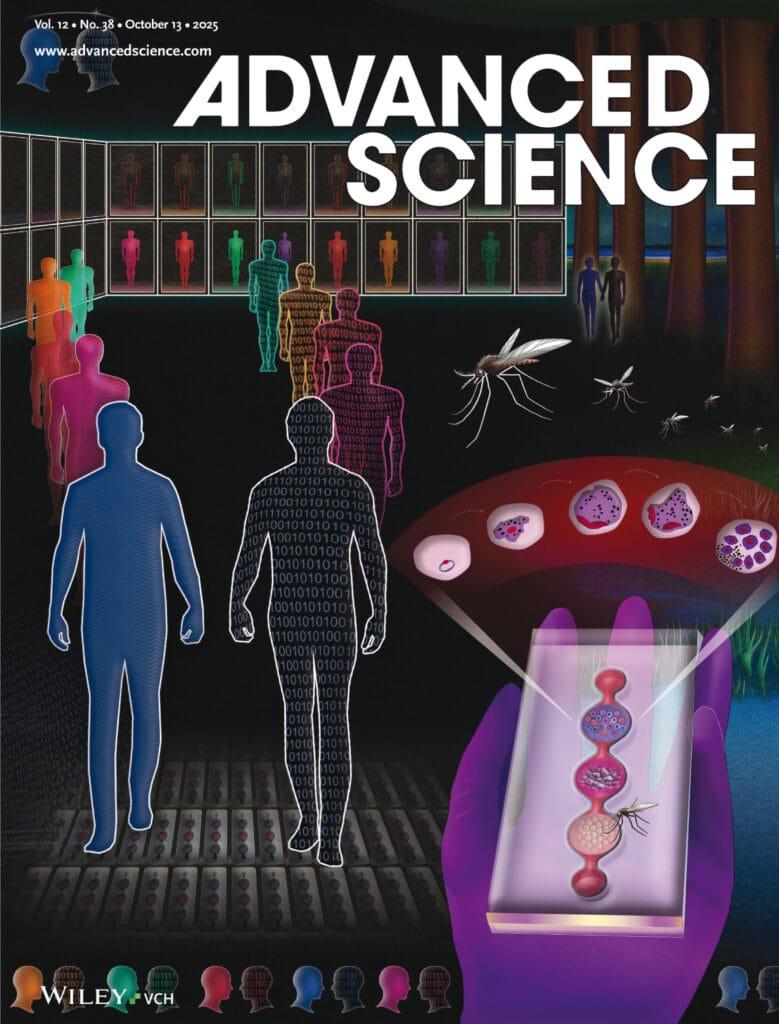
Advanced Science Cover Page Features Hesperos’ Malaria-on-a-Chip Model
Featured on the cover of Advanced Science, our study presents a human-derived Malaria-on-a-Chip system that captures the biology of infection and delivers actionable insights for real-world therapeutic translation.

Announcing Strategic Channel Sales Partnership with AsedaSciences for Better Predictive, More Efficient, & Lower Cost Drug/Product Development
Hesperos and AsedaSciences announce a strategic channel sales partnership combining Human-on-a-Chip® and AI-driven 3RnD® to advance safer, more efficient drug and chemical development.
Human-on-a-Chip® Advancements: Industry Recognition and New Research Published
Hesperos’ Human-on-a-Chip® technology earns recognition in a Nature Lab Animal article highlighting advancements in human-relevant, new alternative methods (NAMs) models and publishes new research advancing its sarcopenia-on-a-chip system.